What Are You Looking For?
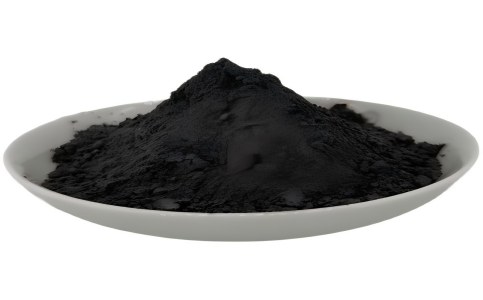
99.9% Purity Magnesium Diboride (MgB₂) Cas No.12007-25-9
Product Characteristics:
| Chemical Formula | MgB₂ |
| Molecular Weight | 45.93 |
| CAS Number | 12007-25-9 |
| Melting Point | 830 °C |
| Density | 2.57 g/cm³ |
Crystal Structure: Hexagonal; intercalation-type compound with alternating magnesium and boron layers
Superconducting Properties: Superconducting transition temperature of approx. 39 K (−234 °C); practical operating temperatures of 20–30 K; among the highest critical temperatures of metallic-compound superconductors
Electrical Properties: High electrical conductivity with excellent conductive capability
Mechanical Properties: Moderate hardness; brittle and hard with limited ductility
Chemical Stability: Stable under dry conditions; resistant to attack by most neutral media
Process Compatibility: Suitable for vacuum sintering, magnetron sputtering, powder metallurgy and other processes
BoronHub Product Features & Service Advantages
High Purity: Powder purity up to 99.9%, meeting the stringent impurity requirements of superconducting materials
Customisable Particle Size: Micron-grade grades of 1–5 μm and 5–10 μm available; nano-scale, ultra-fine and spherical magnesium diboride powders can be customised on request
Controlled Morphology: Spherical morphology with good flowability, facilitating uniform dispersion and sintering
Batch Consistency: A rigorous quality-control system ensures stable performance across batches
Professional Packaging: Vacuum-sealed, moisture-proof and oxidation-resistant packaging safeguarding quality during transport and storage
Technical Support: Grade-selection advice, process-compatibility consultation and sample testing services to help customers validate quickly
Compliant Export: Well-versed in dual-use item export-control regulations, providing compliant supply solutions for civilian research and industrial customers
Enterprise Specifications for Micron Grade Magnesium Diboride Powder (MgB₂)
| Symbol | Purity (%) | Specific Surface Area (m²/g) | Bulk Density (g/cm³) | Morphology | Color | Particle Size |
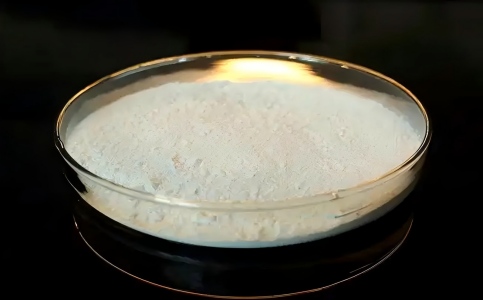
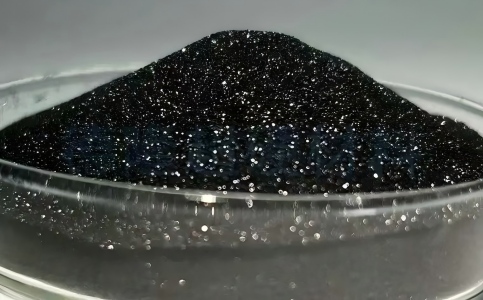
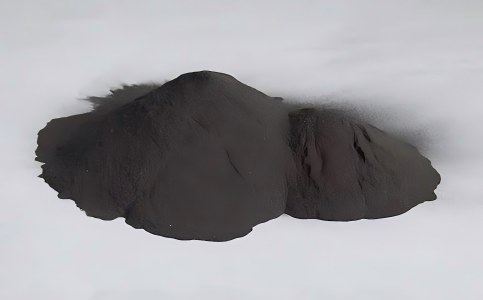
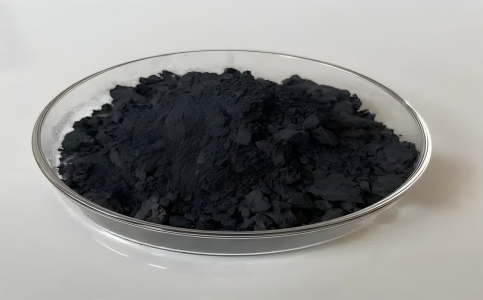
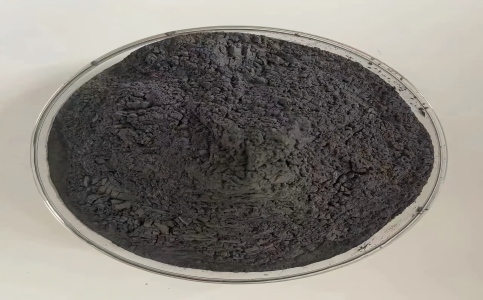
| BHMD-3N105 | 99.9 | 3.2 | 1.5 | Spherical | Dark Grey | 1-5 μm |
| BHMD-3N510 | 99.9 | 1.3 | 2 | Spherical | Dark Grey | 5-10 μm |
Remarks: Products in various particle sizes are available upon request, including nano magnesium diboride powder, micron magnesium diboride powder, ultra-fine magnesium diboride powder, nanoMgB₂ and spherical magnesium diboride powder.
Storage Conditions: Store vacuum-sealed in a cool, dry warehouse, isolated from moisture, dilute acids and strong oxidising agents; keep at ambient temperature away from light; use promptly after opening.
Application Fields & Specific Uses
1. Superconducting Materials
• Manufacture of low-temperature superconducting wires, tapes and thin films
• Core superconducting components for superconducting magnets and medical imaging equipment such as MRI/CT systems
• Fabrication of superconducting experimental components, sensitive magnetic-field detectors and power transmission lines
• Base synthetic feedstock for superconducting modification materials; R&D of next-generation superconducting materials
2. Powder Metallurgy & Conductive Composite Materials
• Conductive reinforcing filler improving the electrical conductivity of metal–ceramic composites
• Production of special composite powders with low resistance and high conductivity
• Compatible with powder metallurgy processes for manufacturing conductive parts and special alloys
3. Electronic Functional Ceramics
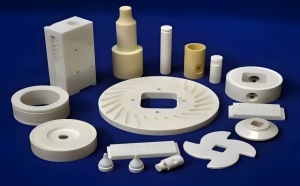
• High-temperature conductive ceramics and electromagnetic-shielding functional substrates
• Conductive ceramic components used in electronic components
• Conductive-phase additive for functional ceramics to enhance overall performance
4. Advanced Materials R&D
• Base synthetic feedstock for boron–magnesium functional materials
• Research feedstock for superconducting modification materials and novel high-temperature superconductors
• Superconductivity-mechanism research and material characterisation at universities and research institutes
5. Specialised Coatings
• Conductive coating feedstock for low-resistance functional protective coatings
• Magnetron-sputtering targets for preparing superconducting and conductive thin films
• Suitable for composite coating systems requiring electrical conductivity, wear resistance and corrosion resistance
6. Civilian Special Pyrotechnics & Boron-Containing Combustion Additives
• Feedstock for civilian special pyrotechnic compositions and boron-containing composite combustion additives
• High-energy combustion additive improving combustion efficiency and stability
 Product categories