What Are You Looking For?
Surge in Demand for Semiconductor-Grade Boron Trichloride to Reach XXX Million; Projected XX% CAGR During 2025–2033 Forecast Period
Market segmentation of semiconductor-grade boron trichloride covers application (diffusion doping, ion implantation, dry etching), purity grade (5N, 6N), and geographic regions including North America (US, Canada, Mexico), South America (Brazil, Argentina, Rest of South America), Europe (UK, Germany, France, Italy, Spain, Russia, Benelux, Nordic Countries, Rest of Europe), Middle East & Africa (Turkey, Israel, GCC, North Africa, South Africa, Rest of MEA), and Asia Pacific (China, India, Japan, South Korea, ASEAN, Oceania, Rest of APAC), with forecasts spanning 2026–2034.
By Khageshwar Rongkali, MRA | May 15, 2026
Key Insights
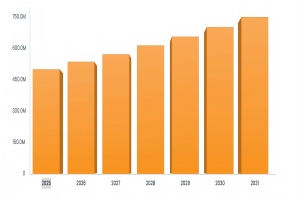
The semiconductor industry’s relentless pursuit of miniaturization and high performance fuels robust demand for ultra-high-purity chemicals such as semiconductor-grade boron trichloride (BCl₃). The market is projected to hit USD 500 million by 2025 and maintain strong growth, driven by widening adoption of BCl₃ in the manufacturing of advanced semiconductors and related components. A compound annual growth rate (CAGR) of 7% is expected from 2025 to 2033, pushing the total market size to approximately USD 900 million by 2033.
Core growth drivers include booming 5G infrastructure rollout, the rise of high-performance computing (HPC), and mass adoption of advanced semiconductor nodes at 3nm and below. Additionally, the global shift to electric vehicles (EVs) and proliferation of the Internet of Things (IoT) further underpin market expansion. While supply chain bottlenecks and volatile raw material prices pose moderate restraints, long-term positive outlooks for the semiconductor sector sustain overall market optimism. Major global manufacturers are aggressively ramping up production capacity and advancing technical innovation to meet surging end-user demand.
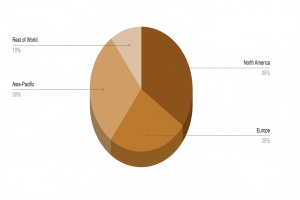
The semiconductor-grade BCl₃ market is segmented primarily by purity, application (dopant, etchant) and geography. North America and Asia Pacific are forecast to dominate global consumption, supported by concentrated semiconductor fabrication capacity across both regions. Market competition is set to intensify as players strive to deliver high-purity, efficient, cost-effective products. Growing industry focus on sustainability and carbon footprint reduction accelerates the development of eco-friendly manufacturing workflows and waste management solutions within the BCl₃ supply chain. Continuous breakthroughs in semiconductor fabrication technology will reshape market dynamics over the coming years, bringing both opportunities and challenges to industry participants.
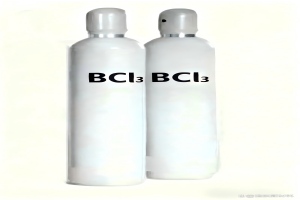
Concentration & Properties of Semiconductor-Grade Boron Trichloride
Semiconductor-grade BCl₃ features purity exceeding 99.999%, a critical specification for wafer manufacturing workflows. Its commercial grade is defined by trace impurity thresholds, including silicon tetrachloride, boron tribromide and other halide contaminants. Even ppm-level trace impurities can severely degrade finished chip quality. Annual global output of semiconductor-grade BCl₃ stands at millions of metric tons, with the total market valued at hundreds of millions of US dollars.
Core Production Hub: East Asia (China, Japan, South Korea) accounts for the majority of global BCl₃ output, backed by dense concentration of semiconductor fabs. North America and Europe hold moderate yet smaller production shares.
Technical Innovation Focus: Current R&D priorities include advanced purification techniques to achieve ultra-high purity benchmarks, lower production expenses, and boost process safety, with innovative distillation and chemical refining methods under active development.
Regulatory Impacts: Stringent environmental regulations govern BCl₃ handling and disposal due to its high reactivity and toxic properties, inflating manufacturing and logistics costs and pushing enterprises to upgrade safety protocols and waste treatment systems.
Product Substitutes: No direct chemical replacement exists for BCl₃ across mainstream semiconductor applications; emerging alternative doping technologies lack cost competitiveness and equivalent performance for full-scale fab deployment.
End-User Concentration: Demand is highly consolidated among top-tier semiconductor manufacturers, with a handful of leading fabs accounting for the majority of global consumption. Rigorous quality control requirements and specialized production workflows create high barriers to new market entrants.
M&A Landscape: Mergers and acquisitions remain limited within the BCl₃ market in recent years. Strategic alliances and joint ventures have grown more prevalent, focused on securing stable supply chains and accessing proprietary high-purity purification technologies.
Market Trends for Semiconductor-Grade Boron Trichloride
Steady market expansion is driven by skyrocketing demand for advanced semiconductor devices. Widespread adoption of 5G, IoT and artificial intelligence (AI) fuels demand for high-performance microchips, which require ultra-pure boron trichloride for precision doping processes. Annual global consumption of semiconductor-grade BCl₃ reaches millions of tons, with a projected CAGR of 5–7% over the next five years, primarily supported by expanding semiconductor manufacturing capacity across Asia.
Geopolitical tensions and potential supply chain disruptions may moderate growth momentum. Meanwhile, rising sustainability awareness compiles manufacturers to adopt low-carbon production lines and optimized waste disposal systems, including renewable energy-powered synthesis and high-efficiency purification processes.
Migration to advanced process nodes (5nm and smaller) raises stricter purity thresholds for BCl₃, creating urgent demand for precision purification technology. Growing complexity of semiconductor fabrication also mandates suppliers to deliver comprehensive technical support and close collaborative development with wafer foundries, covering BCl₃ delivery system optimization and custom-formulated specialty solutions.
Overarching market trends point to sustained rising demand for high-purity BCl₃ amid overall semiconductor industry expansion, technological iteration and broader electronics penetration across vertical sectors. Continuous innovation in purification technology and supply chain management is required to match market needs. To mitigate geopolitical risks and guarantee stable supply, regionalized localized production has emerged as a key industry trend.
Leading Regional & Segment Breakdowns
Dominant Region: East Asia (China, Japan, South Korea, Taiwan) commands 70–75% of total global semiconductor-grade BCl₃ demand, supported by concentrated semiconductor fab clusters. Robust electronics sector growth and consistent government investment in domestic chip manufacturing reinforce the region’s leading market position.
Highest-Growth Segment: Ultra-high-purity BCl₃ (purity ≥ 99.9999% / 6N) for advanced-node wafer fabrication delivers the strongest growth, driven by continuous chip miniaturization and requirements for precise doping control. This high-value segment carries premium pricing, lifting aggregate market revenue.
East Asia is expected to retain market leadership for the foreseeable future, albeit with gradual regional diversification underway. National policies to develop domestic semiconductor ecosystems in other geographies will reshape long-term market shares. Growth in the high-purity semiconductor chemical market is tightly correlated with advancements in chip design and manufacturing. Persistent demand for smaller, faster, energy-efficient microchips will sustain expansion within this segment, while fierce inter-supplier competition further elevates quality and reliability standards for BCl₃ products.
Report Coverage & Deliverables
This report delivers a full-scale analysis of the semiconductor-grade boron trichloride market, covering market sizing, growth forecasts, competitive landscape, price trends and key technical advancements. It includes detailed profiles of major market participants, regulatory framework assessment and segmented market deep dives. Supplying verified market volume data, competitor benchmarking, growth projections and actionable strategic insights, the report supports data-driven business decisions for stakeholders across the semiconductor and specialty chemical industries.
Global Semiconductor-Grade BCl₃ Market Analysis
The worldwide semiconductor-grade boron trichloride market is valued at approximately USD 300 million annually, with total production volume hitting millions of kilograms. The market is highly consolidated, with a small group of core manufacturers holding dominant market share, a result of established incumbents and steep entry barriers for new players. A 5–7% CAGR is forecast, underpinned by rising semiconductor consumption, increasingly sophisticated chip architectures and fabrication upgrades demanding higher-purity BCl₃. Volatile chip market cycles and supply chain interruptions pose downside risks to growth rates
Core Market Growth Drivers
*Sustained expansion of the global semiconductor industry (primary driver)
*Continuous technological iteration in microchip manufacturing
*Rising adoption of ultra-high-purity specialty chemicals for advanced fabrication workflows
Industry Challenges & Restraints
*Strict global environmental and chemical handling regulations
*Unstable raw material pricing squeezing profit margins
*Exorbitant capital investment required for ultra-high-purity purification infrastructure
Market Dynamics (Drivers, Restraints, Opportunities)
The semiconductor-grade BCl₃ market operates within a complex interplay of growth catalysts, limiting factors and untapped opportunities. Strong semiconductor demand acts as the primary growth engine, while rigid environmental compliance rules and elevated production costs present persistent headwinds. Key market opportunities include development of green manufacturing processes, next-generation purification technology, and supply chain resilience optimization. Geopolitical shifts and potential supply disruptions carry both risks and incentives for participants, accelerating regionalized production strategies and supply chain security initiatives.
Scan to wechat :

Scan to Whatsapp :

home
products
Contact Us
 Product categories